2026-09-04 · Mark Donovan
Water Bill Suddenly Tripled? How to Find a Hidden Leak
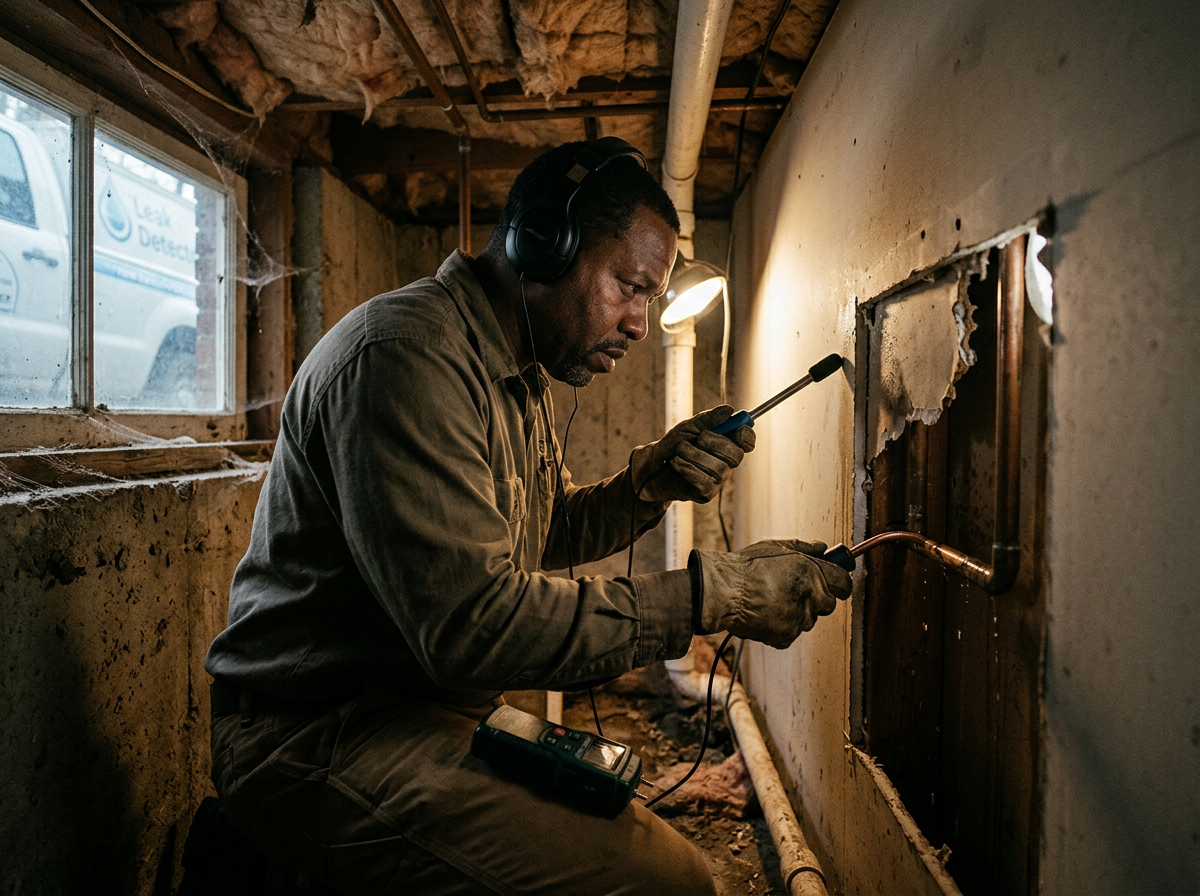
A sudden tripling of your water bill in Nashville often signals a hidden slab leak beneath older foundations in neighborhoods such as East Nashville or Germantown. These leaks can waste thousands of gallons each month when pipes under concrete shift from soil movement common in Davidson County. Start by turning off all indoor and outdoor water sources, then watch your meter for any movement over 30 minutes to verify the issue.
Monitor Your Meter and Listen for Clues
Begin by locating your water meter, usually near the street in front of homes in The Gulch or West End. Shut off every faucet and appliance that uses water, then check if the dial or digital display continues to register flow. In humid subtropical conditions with hot summers and cool winters, temperature swings expand and contract older copper lines, creating small cracks that grow over time. Listen inside the house for a faint hissing sound near baseboards, especially in 1950s–1970s ranch homes common across Belle Meade and Donelson. Note any warm spots on tile floors, which indicate hot water lines leaking under the slab. These initial checks help narrow whether the problem lies under the foundation rather than in visible plumbing.
Inspect for Moisture and Pressure Changes
Walk through each room and feel along walls and floors for dampness or slight softness in the flooring, a frequent sign in Green Hills properties where clay-heavy soil holds moisture against the slab. Check under sinks and around toilets for unexplained puddles that migrate from below. Reduced water pressure at multiple fixtures often appears when a slab leak diverts flow underground. In Downtown and Germantown homes built before widespread use of modern PEX, galvanized pipes corrode faster due to constant soil dampness from the region's cool winters. Record the exact locations of any moisture so you can describe them clearly when scheduling slab leak detection. Avoid ignoring these signs, as prolonged leaks can undermine footings in older Davidson County foundations.
Understand How Local Conditions Affect Leaks
Nashville's humid subtropical climate drives seasonal soil expansion that stresses slab plumbing more than in drier regions. Hot summers dry the ground, then heavy rains cause rapid swelling that shifts older homes in areas like Centennial Park surroundings. Cool winters bring occasional freezes that stress exposed sections of supply lines near the slab edge. Many properties in the Gulch and West End sit on lots with poor drainage, allowing water to pool against the foundation and accelerate corrosion. These factors combine to make slab leaks more common here than in newer subdivisions, where builders use different pipe materials. Tracking your bill month to month helps catch the problem early before water migrates toward the Parthenon-area historic districts or other low-lying zones.
Next Steps After Confirmation
Once meter and moisture checks point to a hidden leak, professional slab leak detection becomes necessary to pinpoint the exact line without unnecessary demolition. Technicians use acoustic equipment and thermal imaging suited to the soil conditions around Nashville. Review related details in What Is a Slab Leak? The Signs Under Your Foundation for additional indicators specific to local housing stock. Compare typical expenses in Slab Leak Repair Cost in Tennessee: What You Actually Pay so you understand the range before work begins. Contact a service focused on high water bill leak detection or slab leak detection to map the line accurately and limit excavation in your yard.